
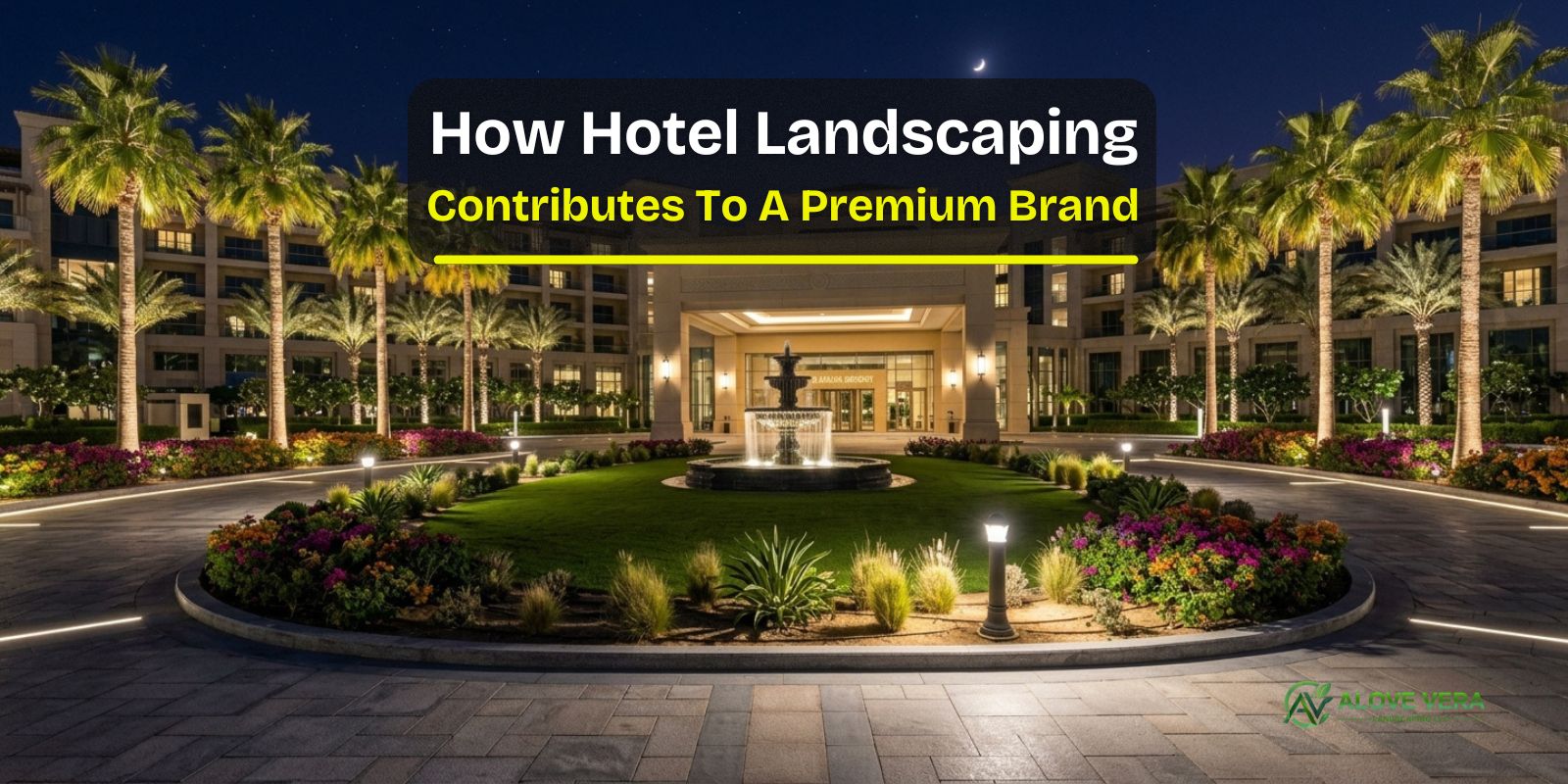
How Hotel Landscaping Contributes to a Premium Brand Image
Hotel landscaping is one of the first things guests notice when they arrive, often before they even step into the lobby. The moment a car pulls up to the entrance, the condition of the gardens, the quality of the planting, the cleanliness of the walkways and the overall feel of the outdoor spaces send a powerful message about the standards guests can expect during their stay. In the competitive hospitality market of the UAE, where luxury hotels, boutique resorts and business hotels are all fighting for the same high-value guests, hotel landscaping has evolved from a decorative afterthought into a core part of brand identity and guest experience strategy.
This guide explores how hospitality landscaping can influence guest perception, overall experience and the property’s visual appeal, and what separates a truly premium outdoor environment from one that simply looks “green enough” from a distance.
The First Impression: Why Hotel Landscape Design Matters Before Check-In
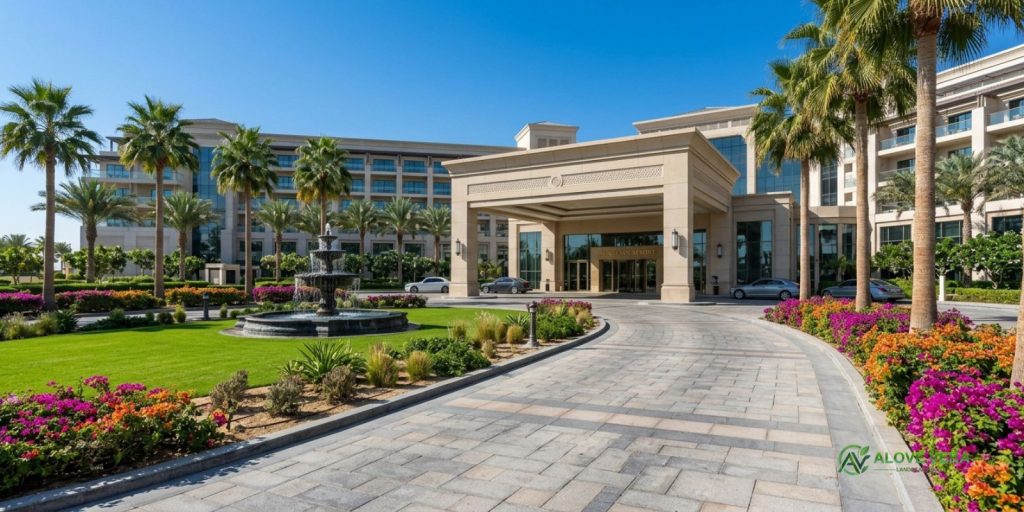
Guests form their first impression of a hotel within seconds of arrival, and that impression is shaped almost entirely by what they see outdoors. A well-maintained entrance garden with mature shade trees, clean paving, colourful seasonal planting and subtle lighting immediately signals luxury, attention to detail and professional management. On the other hand, a tired, patchy lawn, overgrown hedges, stained walkways and visible irrigation leaks tell a very different story – one that no amount of marble in the lobby can fully erase.
In the UAE, where guests often arrive after long flights in extreme heat, the visual and physical comfort of the outdoor arrival experience is even more important. Effective hotel landscaping creates a sense of calm and coolness before the guest even reaches the front desk:
- Shaded drop-off areas with mature canopy trees reduce the blast of heat from open paving
- Water features near the entrance provide visual cooling and a sense of luxury
- Clean, fragrant planting beds with jasmine, gardenia or frangipani create a memorable sensory welcome
- Well-lit pathways and manicured lawns signal safety and care, especially for evening arrivals
For hotel general managers and brand directors, this means that the landscape environment is not simply a facilities cost to be minimised – it is a brand investment that directly affects guest reviews, repeat bookings and social media exposure.
Hotel Landscaping as a Brand Differentiator
In a market like Dubai or Abu Dhabi… a well-designed hotel landscape is one of the most visible ways to stand out. Two hotels may offer similar room sizes, similar F&B outlets and similar spa facilities, but the one with a lush, immersive tropical garden or a striking desert-modern landscape will be the one guests photograph, share on Instagram and remember when planning their next trip.
Luxury hotel landscaping in the UAE often follows one of several distinct brand directions:
- Tropical resort style: Dense palms, flowering shrubs, water channels and lush lawns that create a “paradise” feel, popular in beachfront resorts
- Modern minimalist: Clean lines, structured planting, gravel and stone features with carefully placed specimen trees, favoured by urban business hotels
- Desert contemporary: Native Ghaf trees, ornamental grasses, sand-toned paving and subtle lighting that celebrate the local landscape, increasingly popular with eco-conscious luxury brands
- Arabian heritage: Courtyard gardens with date palms, fragrant roses, geometric water features and shaded majlis seating that reference regional traditions
Each of these approaches requires a different hotel landscape design strategy, but all of them share the same goal: to create an outdoor environment that reinforces the hotel’s brand story and makes guests feel they are somewhere special.
Key Elements of a Premium Hotel Landscape
Creating a premium outdoor environment requires more than just planting a lot of greenery. The most successful hospitality landscape projects in the UAE combine several layers of design and infrastructure to deliver a consistent, high-quality experience across every outdoor zone of the property.
The essential elements include:
- Entrance and arrival gardens: The highest-impact zone, where first impressions are formed. This area typically receives the most investment in terms of mature planting, feature lighting, water elements and seasonal colour displays
- Pool and recreation landscapes: The areas guests spend the most time in during their stay. Shade structures, comfortable planting buffers between sun loungers, clean pool surrounds and tropical accent planting all contribute to the perceived quality of the resort experience
- Courtyards and internal gardens: Often visible from guest room windows and restaurant terraces, these spaces need to look immaculate from multiple angles and at all times of day
- Rooftop terraces and sky gardens: Increasingly popular in urban Dubai and Abu Dhabi hotels, these spaces require specialised planting, wind protection and lightweight soil systems
- Back-of-house and service areas: Often neglected, but visible to staff and sometimes to guests. Even basic hotel landscaping in these zones – clean edges, a few hardy shrubs, tidy paving – contributes to overall property standards
Plant Selection for Hotel Landscaping in the UAE
Plant selection is the foundation of any successful hotel landscape project. In the UAE, hotels need plants that look lush and vibrant year-round, tolerate extreme summer heat and humidity, and require manageable levels of maintenance given the scale of most hotel properties.
A premium hotel garden design palette typically includes:
- Canopy trees for shade: Royal palms, Washingtonia, Ghaf, Ficus and Neem species that provide generous shade over walkways, drop-off areas and outdoor seating
- Flowering accent shrubs: Bougainvillea, Hibiscus, Plumeria and Gardenia for colour and fragrance near guest-facing areas
- Structural palms and cycads: Used as focal points in entrance gardens, pool areas and courtyard features
- Groundcovers and border plants: Lantana, Vinca, Portulaca and ornamental grasses to fill beds densely and reduce visible bare soil
- Seasonal colour rotations: Petunias, marigolds, salvias and impatiens changed several times a year in high-visibility entrance beds to maintain a fresh, vibrant look
The key difference between luxury hospitality landscapes and standard commercial planting is the level of detail: plants are spaced more densely, maintained more frequently and replaced more quickly when they show any sign of decline, because the brand standard demands perfection at all times.
Irrigation and Water Management for Hotel Landscapes
Water management is one of the most technically demanding aspects of hotel landscape management in the UAE. Hotel gardens often cover large areas with diverse planting zones – lawns, tropical beds, desert gardens, vertical green walls and rooftop planters – each with very different water requirements. A poorly designed irrigation system leads to brown patches, waterlogged beds, stained paving and constant emergency maintenance calls that disrupt the guest experience.
A professional hotel landscaping irrigation system should include:
- Fully automated smart controllers with separate zones for each garden area
- Drip irrigation for all planted beds to minimise evaporation and overspray onto guest walkways
- Pop-up sprinklers only for lawn areas, timed to run during early morning hours when guests are least likely to be outdoors
- Filtration and pressure regulation to protect emitters and ensure even coverage across large sites
- Connection to TSE (treated sewage effluent) where permitted, to reduce freshwater consumption and support the hotel’s sustainability credentials
For sustainability guidelines, the UAE Ministry of Climate Change and Environment provides useful resources: https://www.moccae.gov.ae
Lighting and Night-Time Ambience in Hotel Gardens
A significant portion of the guest experience at UAE hotels happens after sunset, especially during the long summer evenings when outdoor dining, pool lounging and garden walks are most popular. A hotel landscape that looks stunning in daylight but disappears into darkness after sunset is a missed opportunity.
Premium hospitality landscaping lighting typically includes:
- Warm LED uplighting on feature trees and palms to create dramatic silhouettes against the night sky
- Low-level pathway lights along garden walkways for safety and ambience
- Subtle underwater lighting in pools, fountains and water features
- Accent lighting on flowering beds and sculptural plants near restaurant terraces
- Moonlighting effects from tall trees to create a natural, dappled glow over seating areas
The goal is to extend the usable hours of the outdoor spaces and create an atmosphere that can encourage guests to spend more time in the hotel’s outdoor dining and leisure areas.
Maintenance Standards: The Hidden Driver of Brand Perception
Even the most beautifully designed hotel landscaping will fail to support a premium brand image if it is not maintained to the highest standards every single day. Guests at luxury hotels expect to see immaculate lawns, perfectly trimmed hedges, weed-free beds, clean paving and healthy, vibrant planting at all times. A single dead palm, a brown lawn patch visible from a pool lounger or a leaking irrigation head spraying a guest walkway can trigger a negative review that reaches thousands of potential future guests.
Maintaining hotel landscaping at a five-star standard typically requires:
- Daily visual inspections of all guest-facing garden areas by a dedicated landscape supervisor
- Multiple mowing and edging visits per week for lawn areas during the growing season
- Weekly pruning, deadheading and bed maintenance across all planted zones
- Seasonal replanting of entrance colour beds at least three to four times per year
- Immediate response protocols for irrigation failures, storm damage or pest outbreaks
- Regular cleaning of hardscape surfaces to remove dust, sand and water stains
Actual maintenance frequency should be based on the hotel’s landscape size, plant palette, season, brand standards and operational requirements.
Sustainability and the Future of Hotel Landscaping in the UAE
The UAE hospitality sector is under increasing pressure to demonstrate environmental responsibility, and hotel landscaping is one of the most visible areas where sustainability can be showcased. Forward-thinking hotel brands are now incorporating water-efficient irrigation, native and desert-adapted planting, solar-powered garden lighting and organic maintenance practices into their landscape strategies.
Sustainable hotel landscaping does not mean compromising on luxury. Many of the most visually striking hotel gardens in the UAE now combine lush, guest-facing tropical zones near pools and entrances with lower-water native planting in secondary areas, creating a gradient of greenery that is both beautiful and responsible. This approach reduces water consumption, lowers maintenance costs and gives the hotel a genuine sustainability story to share with environmentally conscious guests and corporate clients.
How AV Landscaping Can Help
AV Landscaping provides hotel landscaping design, construction and maintenance services across the UAE for luxury hotels, boutique resorts, serviced apartments and hospitality developments. Their team understands the unique demands of the hospitality sector – the need for year-round perfection, rapid response to issues, seamless coordination with hotel operations and the ability to deliver landscapes that reinforce a premium brand identity.
Whether you are planning a new hotel development, renovating an existing property or looking to upgrade your outdoor spaces to meet higher brand standards, AV Landscaping can provide a comprehensive landscape solution for hospitality properties tailored to your property’s location, brand positioning and operational requirements.
To discuss your project or request a consultation, visit their official website:
https://avlandscaping.ae
FAQs
1. How does hotel landscaping affect guest reviews and bookings?
Guests consistently mention the quality of gardens and outdoor spaces in their reviews, especially for resort and luxury properties. Premium hotel landscaping creates positive first impressions, encourages social media sharing and directly influences repeat bookings and brand loyalty.
2. What is the difference between standard commercial landscaping and luxury hotel landscaping?
Hotel landscaping demands higher plant density, more frequent maintenance, faster replacement of declining plants, more sophisticated lighting and a greater emphasis on seasonal colour and fragrance than typical commercial or office landscaping.
3. Can hotel landscaping be both luxurious and sustainable in the UAE?
Yes. Modern hotel landscaping strategies combine lush, high-impact planting in guest-facing areas with water-efficient native species in secondary zones, plus smart irrigation and solar lighting, to deliver luxury without excessive resource use.
4. How often should hotel landscapes be maintained?
Maintenance frequency depends on the property, plant selection, season, guest-facing areas and the hotel’s required presentation standards.


