Garden Wayfinding Design In The UAE: Guiding Movement Through Luxury Villa Landscapes
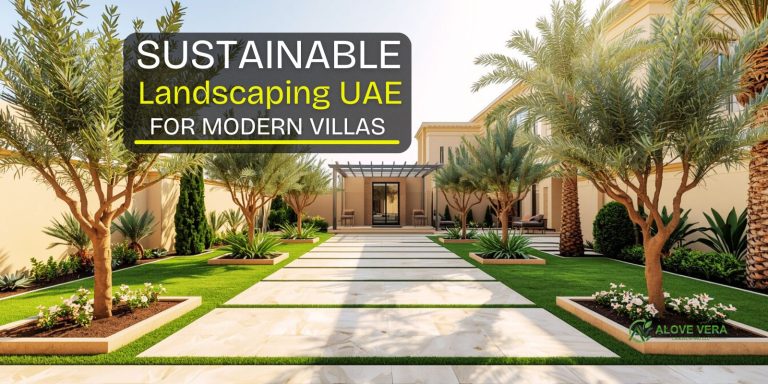
In a compact garden, people move instinctively. In a luxury UAE villa with multiple outdoor rooms—pool, cabana, lawn, fire pit, dining terrace, side gardens—movement must be consciously crafted. Garden Wayfinding Design is the art and science of guiding people through your outdoor space so that every step feels natural, intuitive, and visually rewarding.
What Is Garden Wayfinding Design?
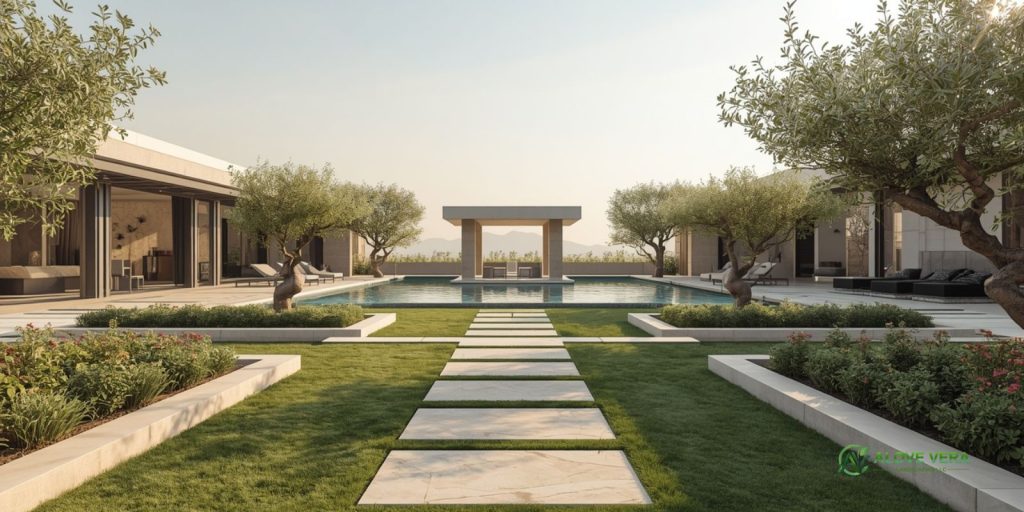
Garden Wayfinding Design is the use of layout, materials, lighting, planting, and focal points to quietly direct movement. It borrows from architecture and psychology: people should feel gently “pulled” along routes without ever feeling forced or confused.
Instead of arrows and signposts, Garden Wayfinding Design uses:
- Path alignments and junctions
- Subtle changes in paving textures and materials
- Visual anchors like trees, water features, or sculptures
- Soft barriers formed by planting and level changes
- Night‑time lighting that traces safe and inviting routes
For large villas and estates across the UAE, Garden Wayfinding Design is what turns a big, impressive garden into a comfortable, usable, and memorable experience.
Why Garden Wayfinding Design Matters for UAE Villas
In many UAE villas, outdoor spaces are added one by one: a pool, then a pergola, then a fire pit. Without planning, you end up with:
- Confusing paths that suddenly stop
- Guests crossing lawns or planting beds to reach key areas
- Outdoor rooms that feel disconnected from the villa
Well‑executed Garden Wayfinding Design changes this completely:
- Entry to the garden feels clear and welcoming
- Guests instinctively know how to get from terrace to pool, from pool to lounge, from lounge to garden bar
- Children follow obvious, safe routes instead of running through hazards
In a climate where evenings and cooler months are prime outdoor time, good wayfinding ensures every part of your landscape is easy—and inviting—to use.
Core Elements of Intuitive Garden Wayfinding
To design effective Garden Wayfinding Design, AV Landscaping combines several key elements. Each one is subtle on its own, but together they create a clear “map” your guests can feel without ever seeing.
Material Transitions: The Language of the Ground
The surface under your feet is one of the most powerful wayfinding tools. By changing materials or textures, we signal transitions between zones.
Examples:
- Smooth, large‑format stone or porcelain near the villa for a formal, “public” feel
- Textured pavers, gravel, or compacted stone further out to suggest more relaxed, “garden” zones
- Timber or composite decking to mark pool and lounge platforms
In Garden Wayfinding Design, your feet often sense the shift before your eyes register it—you feel you’ve entered a different type of space.
We can use material transitions to distinguish:
- Main circulation vs. secondary paths
- Entertainment terraces vs. private retreat corners
- Child‑friendly routes vs. service or staff access
Visual Anchors: Destinations That Pull You Forward
Movement is easier and more enjoyable when there is a clear destination. Visual anchors in Garden Wayfinding Design act like magnets; they attract attention and invite exploration.
These can be:
- A sculptural tree (like a mature olive or Ghaf) framed at the end of a path
- A water feature or reflecting pool catching the light
- A firepit, artwork, or statue in a carefully lit niche
- A striking piece of outdoor furniture or pavilion silhouette
Placed correctly, visual anchors:
- Clarify where the path goes
- Make guests want to walk further rather than turn back
- Give every route a sense of purpose and reward
From your villa’s main terrace, you might see one strong anchor—perhaps a cabana or specimen tree. As you arrive there, Garden Wayfinding Design reveals the next anchor in the distance, continuing the journey.
Light as a Guide: Night-Time Wayfinding
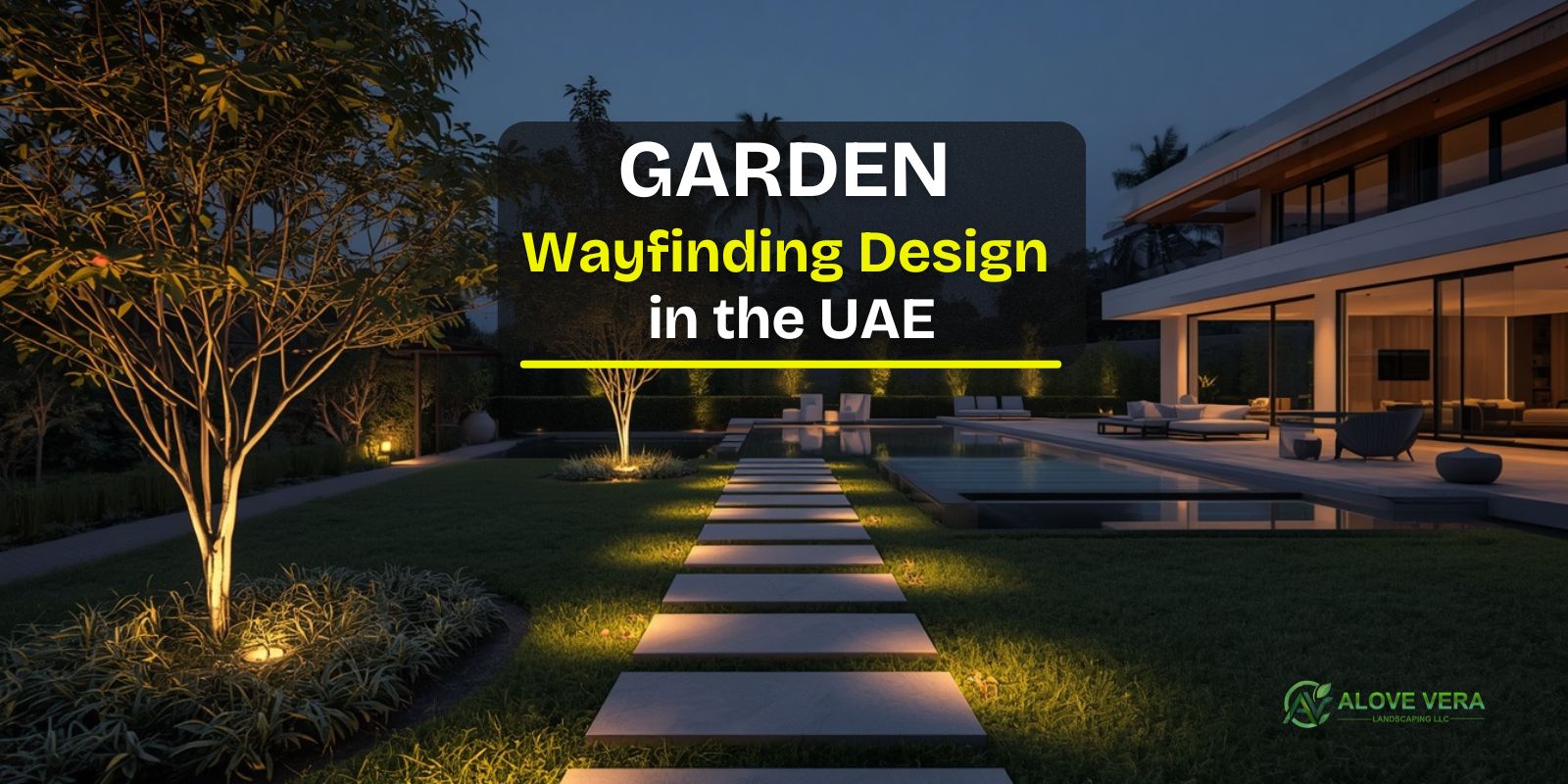
In the UAE, evenings are often when the garden is used most. At night, Garden Wayfinding Design relies heavily on light to create safe, intuitive routes.
Instead of harsh floodlights, we design with:
- Low‑level bollards to outline primary paths
- Recessed step lights to mark level changes clearly
- Hidden LED strips under bench edges or planters to define edges
- Discreet uplights set back into planting to “wash” key turns and junctions
We often work with “pools of light”: small, overlapping zones of soft illumination that lead you forward. The path is always legible, while surrounding beds and trees can fall into more atmospheric shadow. This keeps your garden looking elegant and calm rather than over‑lit and flat.
A well‑lit Garden Wayfinding Design also supports safety: children and older guests can move confidently, and you avoid accidental shortcuts through planting or unsafe areas.
Planting as a Soft Barrier and Guide
Not every boundary needs a wall or fence. In Garden Wayfinding Design, planting becomes a gentle way to steer people.
We use:
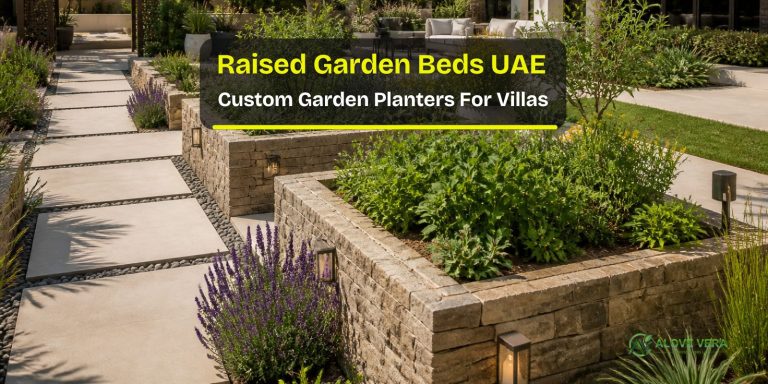
- Low hedges and mass planting along path edges to contain movement
- Dense, waist‑high shrubs where we want to say “please don’t walk here”
- Taller plants to visually and physically separate private areas from shared ones
- Fragrant species—like jasmine, mock orange, or certain herbs—along main paths to reinforce key routes with scent
This approach keeps the garden feeling open and natural while quietly protecting delicate beds, lawn edges, and private seating zones. Garden Wayfinding Design uses plants not just as decoration, but as functional, living infrastructure.
The AV Landscaping Approach to Garden Wayfinding Design
At AV Landscaping (https://avlandscaping.ae), Garden Wayfinding Design is built into our landscape planning from day one, especially for larger plots and complex villa layouts.
We start by:
- Studying your architecture and main entry/exit points
- Mapping how you and your guests will likely move: front door to terrace, terrace to pool, pool to cabana, cabana to garden bar, etc.
- Identifying key sight lines from inside the house—so that outdoor routes align with interior views
Then we:
- Plan primary and secondary circulation loops so that you can walk the garden in logical “circuits”
- Use material changes, level shifts, and planting to signal hierarchy between main and minor paths
- Position visual anchors at strategic points to encourage exploration
Lighting and technical planning are integrated early, not added at the end, so every light supports the flow and rhythm established by the Garden Wayfinding Design.
Throughout, we keep navigation invisible. The garden feels clear and easy to use, but you never feel like you are being “directed” by signage or obvious wayfinding gadgets. The design itself does all the work.
Is Garden Wayfinding Design Right for Your Property?
You should seriously consider Garden Wayfinding Design if:
- Your villa sits on a large or irregular plot
- You have multiple outdoor “rooms” (pool, cabana, dining, firepit, lawn, kids’ play, side gardens)
- Guests often ask “How do I get to…?” or wander across lawn and beds
- Some spaces feel underused or “hidden” because they are not clearly connected
With professional Garden Wayfinding Design, with intelligent planning, every pathway becomes part of the experience. Guests naturally move from one destination to another, discovering new views, relaxing spaces, and architectural highlights without ever feeling lost. That’s the true value of professional Garden Wayfinding Design.
If you are ready to turn your garden into a guided, memorable journey rather than just a backyard, AV Landscaping can help. Visit https://avlandscaping.ae to connect with our team and explore a custom Garden Wayfinding Design plan that brings clarity, elegance, and purpose to every corner of your UAE villa landscape.
FAQs
What is Garden Wayfinding Design?
Garden Wayfinding Design is the process of guiding movement through a landscape using pathways, lighting, planting, materials, and focal points instead of signs.
Why is Garden Wayfinding important for large villa gardens?
It helps visitors move naturally between outdoor spaces such as pools, terraces, lounges, and gardens while improving comfort, safety, and usability.
How does lighting improve Garden Wayfinding?
Low-level pathway lighting, step lights, and accent lighting highlight routes, improve safety, and make outdoor spaces easier to navigate after sunset.