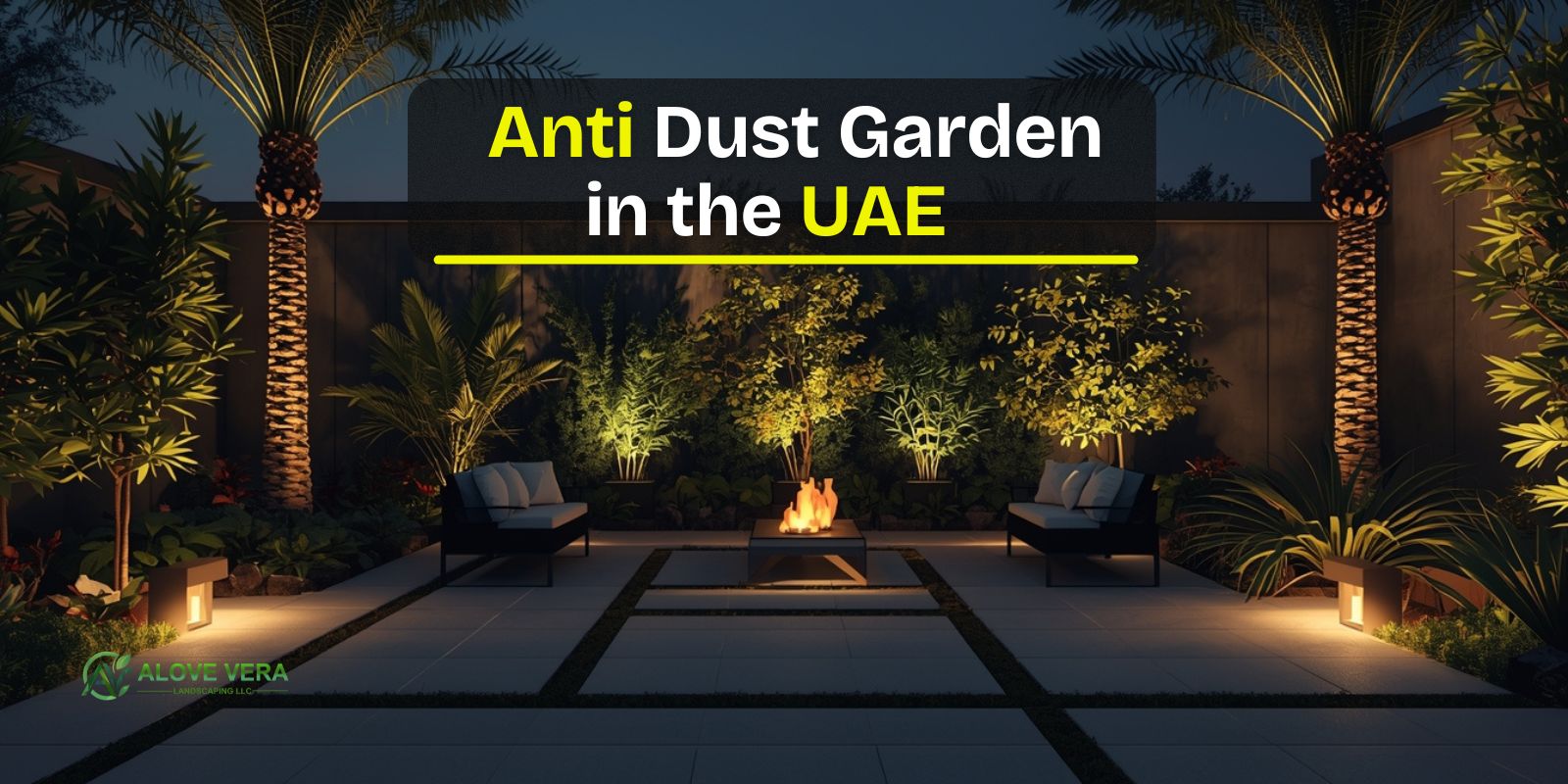
Anti Dust Garden Design in the UAE: Smart Solutions to Reduce Sand & Heat
In the UAE’s dry, windy climate, Anti Dust Garden Design is the key difference between a clean, usable outdoor space and a patio that always feels dusty. With constant sand movement, open plots, and seasonal winds, maintaining a tidy garden can feel almost impossible.
Instead of fighting sand every weekend with a broom and blower, a smart Anti Dust Garden Design uses plants, surfaces and walls to slow dust down before it reaches your doors, windows and pool. Done well, it gives you a cooler, calmer garden that actually stays pleasant through most of the year.
For homeowners who want this kind of result without guesswork, a specialist like AV Landscaping in the UAE can turn a dusty yard into a practical, low‑maintenance outdoor room: https://avlandscaping.ae
What Does Anti Dust Garden Design Actually Mean in the UAE?
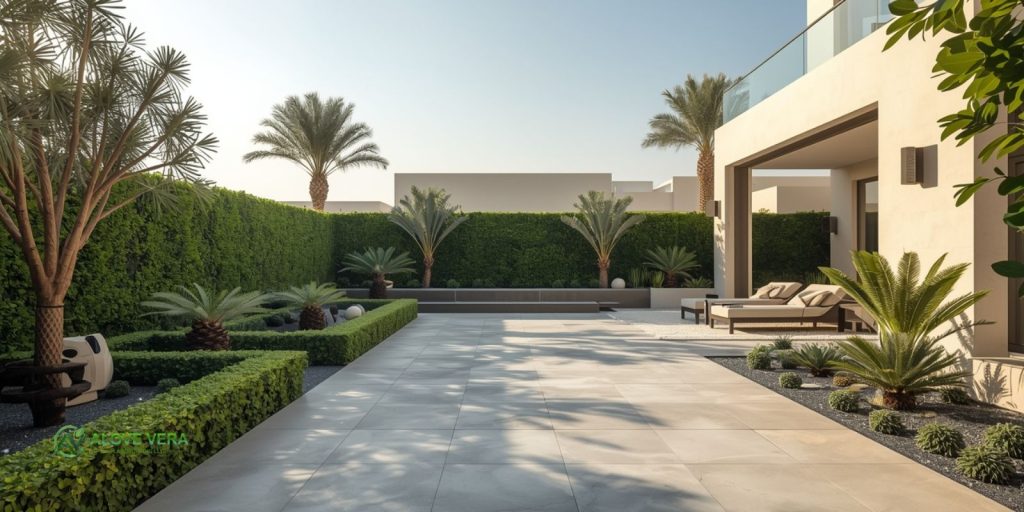
In simple terms, Anti Dust Garden Design is about controlling where dust comes from, how it moves and where it settles. It doesn’t “eliminate” dust (that’s impossible in the desert), but it can dramatically reduce how much ends up on your seating, cars, and outdoor kitchen.
In the UAE context, that usually means:
- Reducing open, bare soil or sand
- Using plants and structures as “filters” against wind
- Choosing hardscape materials that are easy to wash and don’t trap dirt
- Organising the layout so clean zones (seating, dining, pool) are protected by green or built buffers
Think of it as designing a garden with airflow, sand movement and cleaning in mind—not just colour and shape.
Why Do UAE Gardens Collect So Much Dust and Sand?
To design against dust, you have to understand why it builds up so quickly here.
- Climate: Long dry periods, very little rain and strong winds mean dust stays in the air rather than being washed away.
- Urban conditions: Many communities still have empty plots, construction sites and wide open parking areas that act as dust sources.
- Traditional layouts: Large lawn patches, open gravel and bare planting beds all leave soil exposed, so every gust of wind lifts particles into your garden.
A proper Anti Dust Garden Design accepts these realities and works with them, instead of pretending the garden exists in a different climate. This is exactly where Anti Dust Garden Design becomes essential rather than optional.
Key Principles for an Effective Anti‑Dust Garden
When AV Landscaping plans Anti Dust Garden Design for Dubai or Abu Dhabi villas, the team looks at the plot like an airflow map: where is the wind coming from, and what is it carrying?
Some of the core design moves include:
- Create green and built windbreaks:
Taller trees, layered shrubs and solid or semi‑solid fences along the “dusty” side of the plot slow the wind before it hits your main living areas. - Cover the ground intelligently:
Instead of open soil, use a mix of dense groundcovers, mulched planting beds and stable surfaces (porcelain, natural stone, compacted gravel with a membrane) so there is nothing loose for the wind to lift. - Separate clean and “dirty” zones:
Put seating, kids’ play and outdoor dining areas on the more protected side of the house, with planting and walls in between to act as filters. - Keep maintenance realistic:
An Anti Dust Garden Design that relies on constant sweeping, washing and pruning is not really anti‑dust. The idea is to make natural barriers do most of the work, with light, regular cleaning.
These principles can be applied to villas, townhouses and even rooftop terraces across the UAE.
Plant Choices That Support Anti Dust Garden Design
Planting is one of the strongest tools in Anti Dust Garden Design, but only if you choose species that can survive sun, heat and regular dust.
Well‑designed anti‑dust planting usually includes:
- Tough evergreen shrubs forming dense hedges along boundaries and around parking areas, to catch dust and calm the wind.
- Layered green walls: low groundcovers, medium shrubs and a few taller trees, rather than single, lonely plants that don’t block anything.
- Species that handle dust and occasional washing, like many Mediterranean and desert‑adapted shrubs which can cope with both dry wind and irrigation.
Examples (used by many UAE landscapers) include hardy hedging shrubs, bougainvillea, certain ficus varieties, and drought‑tolerant groundcovers. The exact plant list depends on your water budget, orientation and community rules, so it’s best planned project‑by‑project.
Using layered hedges and structured planting belts is one of the simplest Anti Dust Garden Design tricks to reduce how much sand reaches your main terrace and windows.
Surfaces, Fences and Layout That Keep Dust Under Control
Even the best plants can’t fix poor hardscape decisions. Surfaces and boundaries make a huge difference to how much cleaning you face every week.
- Flooring: Smooth, non‑porous materials like exterior‑grade porcelain tiles or honed stone are easier to wash and don’t hold fine dust. Very rough or deeply textured finishes can trap dirt in every groove.
- Gravel and stones: If you like gravel, it should sit on a geotextile membrane, with the right depth and grain size so it stays in place and doesn’t mix with soil underneath.
- Walls and screens: Solid perimeter walls, or walls combined with perforated metal or timber screens, can slow wind without making the garden feel boxed in. These are key structural elements in any serious Anti Dust Garden Design in open, exposed communities.
- Car parking and driveways: Stabilised surfaces and clear edging stop tyres from kicking sand straight into your garden every time you park.
A good layout also keeps garden entrances, sliding doors and main seating slightly away from the dustiest edges, using planting beds and low walls as buffers.
Water, Irrigation and Maintenance for a Cleaner Garden
Water doesn’t just keep plants alive; it also plays a role in dust control if used correctly.
- Drip irrigation helps stabilise soil and reduce evaporation, without creating muddy patches that later turn into fine dust.
- Occasional washing of key hardscape areas (especially patios and entry paths) quickly removes settled dust before it builds into a stubborn layer.
- Leaf cleaning for main feature plants—either by light spraying or soft wiping—keeps them healthy and efficient as natural dust filters.
Because water is a precious resource in the UAE, all of this has to be done with efficiency in mind. For official information on water use, sustainability and environmental policy, you can always refer to the UAE government portal: https://u.ae and the Ministry of Climate Change and Environment: https://www.moccae.gov.ae
A well‑planned Anti Dust Garden Design balances these needs: low‑waste irrigation, plants that don’t demand constant watering, and surfaces that clean up quickly with minimal water and time.
Why Work with AV Landscaping for Anti Dust Garden Design in the UAE
AV Landscaping designs and builds climate-focused outdoor spaces across the UAE that actively reduce dust, not just improve appearance. Their team combines planting, surfaces, irrigation, and layout planning so your Anti Dust Garden Design works as a complete system—not a temporary fix.
If you’re tired of constantly sweeping sand off your terrace, or you’re planning a new build and want to get the layout right from day one, you can explore their services and portfolio at: https://avlandscaping.ae
With the right Anti Dust Garden Design, your outdoor space becomes calmer, cleaner and much easier to enjoy—without spending every weekend cleaning up after the wind.
FAQs
1. What is Anti Dust Garden Design in the UAE?
Anti Dust Garden Design focuses on reducing sand buildup using plants, surfaces, and layout planning to control airflow and dust movement in outdoor spaces.
2. How can I reduce dust in my garden in Dubai or Abu Dhabi?
You can reduce dust by using hedges as windbreaks, covering open soil, installing proper surfaces, and designing protected seating areas.